Source Eco Friendly Scented Solid Gel for Home, Car, Office
Explore 30 listings for eco friendly scented solid gel air fresheners. Compare options featuring water-based gel formulas, herbal ingredients, and customizable fragrances. These products are suitable for home, car, and office use, with lead times around 10-15 days and MOQs starting at 500 pieces per scent.
Key considerations
Products List





Comprehensive Sourcing Guide
Eco Friendly Scented Solid Gel Sourcing Guide
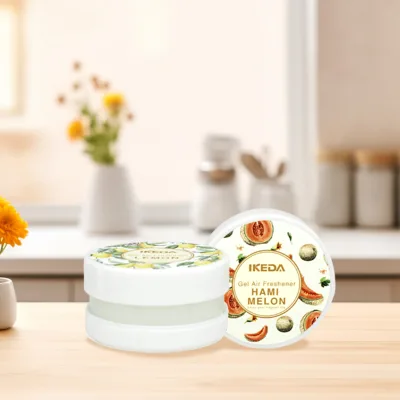
Sourcing eco-friendly scented solid gel requires a nuanced understanding of formulation stability and regulatory compliance. Buyers must distinguish between water-based gels and traditional aerosol sprays, noting that the former often utilizes glycerine and herbal extracts to achieve a moisturizing and refreshing effect. The observed market data indicates a strong presence of brands like IKEDA and Huiji, which offer customized logos and specific fragrance profiles such as milk or natural herbal scents. This customization capability is critical for private labelers seeking to differentiate their products in competitive retail environments.
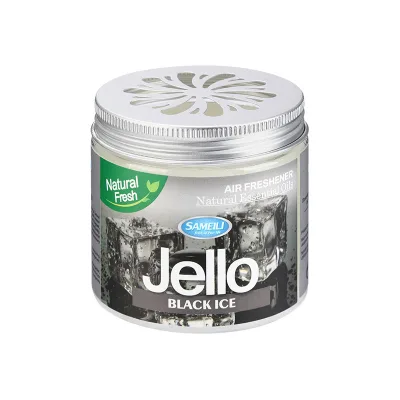
Procurement teams should also evaluate the physical form factor, as solid gels typically come in round, bottle-packaged units with specific dimensions like 8x8x2 cm. These attributes influence packaging density and shipping costs, making them vital for logistics planning. The active ingredient content, ranging from 5% to 15%, suggests a concentrated formula that requires careful handling during storage and distribution. Understanding these physical and chemical baselines ensures that buyers select products that align with their brand’s sustainability claims and functional requirements.
Product Scope and Observed Listing Signals
The current market landscape for eco-friendly scented solid gels reveals a diverse range of product applications, primarily targeting home, car, and office environments. Listings frequently highlight features such as moisturizing, whitening, and antibacterial properties, which may indicate multifunctional formulations beyond simple air freshening. Buyers should note that some products are marketed with specific uses like hand sanitizing or cleaning, suggesting a broader category of hygiene-focused gels. This overlap requires careful verification to ensure the selected product meets the intended use case, whether for ambient scenting or personal care.
Observed listing signals also point to significant variability in packaging and capacity, with options ranging from 60ml bottles to larger 1000ml standards. The presence of carton packaging with specific quantities, such as 200 pieces per carton, indicates a focus on bulk distribution efficiency. Additionally, the availability of free samples and customized fragrance options, including milk and herbal notes, provides flexibility for product development. These signals suggest a mature supply chain capable of supporting both small-batch testing and large-scale commercial deployment, allowing buyers to scale their operations with confidence.
Technical Specifications to Verify
Technical verification begins with the gel’s base composition, which is often water-based and includes ingredients like glycerine, olive oil, and green tea. Buyers must confirm the exact concentration of active ingredients, as variations between 5% and 15% can significantly impact scent longevity and efficacy. The form factor, typically a round gel in a bottle, should be assessed for stability under different temperature conditions to prevent separation or leakage. Understanding the single gross weight of approximately 0.100 kg per unit helps in calculating precise shipping volumes and costs, ensuring accurate budgeting for international logistics.
Further technical due diligence involves examining the fragrance delivery system and duration. Products claiming a lifespan of 4-6 weeks require validation through independent testing or supplier-provided data sheets. The inclusion of herbal or mineral ingredients may offer additional benefits, such as antibacterial or refreshing properties, but these claims must be substantiated. Buyers should also verify the model numbers, such as FL-JIAN or CA12004, to ensure consistency in future orders. Clear specification alignment prevents discrepancies between sampled products and mass-produced batches, safeguarding brand reputation.
Compliance and Safety Documentation
Compliance is paramount when sourcing eco-friendly products, with certifications like MSDS, REACH, IFRA, ROHS, and PAHS serving as key indicators of regulatory adherence. Buyers must request these documents to verify that the gel meets international safety standards for chemical composition and environmental impact. The ISO9001 certification further suggests that the manufacturer maintains a quality management system, which is essential for consistent product quality. Ensuring that all documentation is up-to-date and applicable to the destination market prevents customs delays and legal liabilities.
Safety data sheets should be reviewed for specific hazard classifications and handling instructions, particularly given the presence of active ingredients and fragrances. The distinction between medicated and non-medicated formulations is crucial for accurate labeling and consumer communication. Buyers should also verify that the product is suitable for the intended age group, typically adults, and that it does not contain prohibited substances. Proper documentation not only ensures legal compliance but also builds consumer trust by demonstrating a commitment to safety and environmental responsibility.
Cost Drivers and Commercial Terms
Cost structures for eco-friendly scented solid gels are influenced by several factors, including raw material quality, customization requirements, and order volume. The observed minimum order quantities (MOQ) range from 25 to 24,000 pieces, with specific scent MOQs often set at 500 pieces. Higher customization levels, such as unique logos or specific fragrance blends, may incur additional setup fees or higher unit prices. Buyers should negotiate terms that balance cost efficiency with flexibility, especially when introducing new products to the market.
Lead times typically range from 10 to 15 days, depending on order quantity and production schedule. Understanding these timelines is essential for inventory management and supply chain planning. Buyers should also consider the cost of samples, which are often provided for free, as a low-risk method to evaluate product quality before committing to large orders. Clear commercial terms, including payment methods and shipping responsibilities, should be established early to avoid misunderstandings and ensure smooth transaction processes.
Supplier Qualification and Quality Control
Supplier qualification involves assessing the manufacturer’s production capabilities, quality control processes, and track record. Buyers should verify the place of origin, such as Zhejiang, China, and evaluate the supplier’s ability to maintain consistent quality across batches. Requesting references or case studies can provide insights into the supplier’s reliability and customer satisfaction levels. Additionally, assessing the supplier’s responsiveness to customization requests and their ability to meet specific technical specifications is crucial for long-term partnership success.
Quality control measures should include regular inspections of raw materials, in-process checks, and final product testing. Buyers should establish clear acceptance criteria for product attributes such as scent strength, gel consistency, and packaging integrity. Implementing a robust quality assurance protocol helps identify and rectify issues early in the production cycle. Regular communication with the supplier regarding quality feedback and continuous improvement initiatives ensures that the product meets evolving market demands and maintains high standards.
Long-Term Procurement Checks
Long-term procurement success depends on continuous monitoring of supplier performance and market trends. Buyers should regularly review supplier compliance with certifications and safety standards, ensuring that any changes in regulations are promptly addressed. Tracking product performance in the market, including customer feedback and sales data, helps identify areas for improvement or innovation. Maintaining a diversified supplier base can mitigate risks associated with supply chain disruptions and ensure business continuity.
Additionally, buyers should stay informed about emerging technologies and ingredients in the eco-friendly gel market. This knowledge enables proactive adaptation to consumer preferences and regulatory changes. Establishing a structured review process for supplier contracts and performance metrics ensures that partnerships remain mutually beneficial. By focusing on long-term relationship building and strategic sourcing, buyers can secure a competitive advantage and drive sustainable growth in their product offerings.
FAQs
What is the primary material used in this eco friendly scented solid gel?
The product is formulated using a water base gel. This composition ensures the gel remains stable and effective for air freshening. It is designed to be eco-friendly while providing a consistent release of fragrance. The base supports the active ingredients and ensures the product maintains its shape and texture during use.
Can I customize the logo and fragrance for this air freshener?
Yes, customization is available for both the logo and the fragrance. Buyers can select from six standard fragrances or request a customized scent profile. The product accepts customized logos to match brand identity. This flexibility allows businesses to tailor the product to specific market preferences and branding requirements effectively.
What certifications does this eco friendly scented solid gel hold?
The product holds multiple certifications including MSDS, REACH, IFRA, ROHS, PAHS, and ISO9001. These certifications ensure compliance with international safety and quality standards. They verify that the product is safe for use in homes, cars, and offices. Buyers can rely on these credentials for regulatory compliance and quality assurance in their sourcing decisions.
What is the typical lead time for orders of this gel air freshener?
The lead time is around 10-15 days according to the order quantity. This timeframe allows for efficient production and preparation of the goods. Buyers should consider this duration when planning their inventory and supply chain. The lead time may vary slightly based on the specific volume and customization requirements of the order.
What is the minimum order quantity for this eco friendly scented solid gel?
The minimum order quantity is 500 pieces per scent. This MOQ ensures efficient production runs while allowing for some flexibility in scent selection. Buyers can order multiple scents to meet diverse market needs. The MOQ is a key factor in determining the total order value and logistics planning for bulk purchases.
Where is this eco friendly scented solid gel manufactured?
The product is manufactured in Zhejiang, China (Mainland). This location is a known hub for manufacturing such consumer goods. Buyers can leverage this origin for sourcing logistics and supply chain optimization. The place of origin is a standard detail for verifying product authenticity and supply chain transparency.